Costa Rica is famous for its rainforests and wildlife, but the country’s marine ecosystems are just as remarkable. Beneath the surface of the Pacific Ocean lies a dynamic underwater world shaped by volcanic geology, seasonal currents, and an impressive diversity of marine species.
Along the northern Pacific coast, Guanacaste has become one of the most exciting regions for scuba diving in the country. Divers visiting this area can explore dramatic underwater landscapes, encounter a wide range of marine life, and access world class dive sites within a short boat ride from the shore.
For travelers visiting Costa Rica who want to discover the Pacific Ocean, Guanacaste offers a unique combination of biodiversity, accessibility, and unforgettable underwater experiences.
Where Tropical and Oceanic Marine Life Meet
One of the most interesting aspects of diving in Guanacaste is the mix of marine life that can be found here. The region sits in a zone where tropical reef species and larger open ocean animals share the same waters.
This creates a constantly changing underwater environment where different species appear depending on ocean conditions and currents.
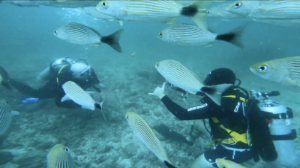
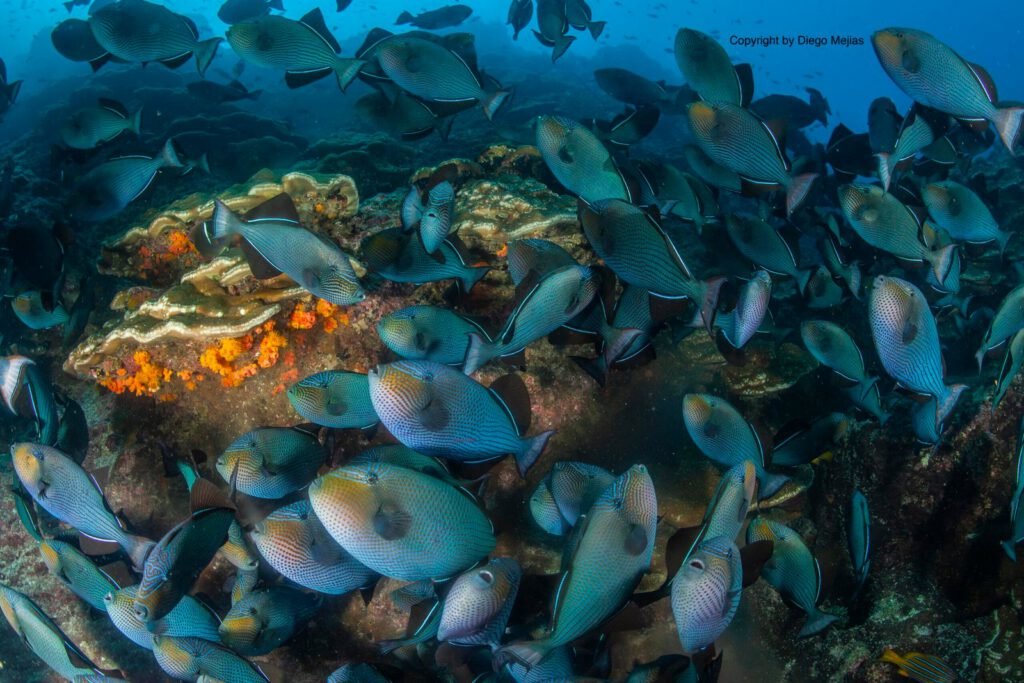
Divers frequently observe reef species such as pufferfish, angelfish, and butterflyfish moving among rocky formations. Moray eels hide inside volcanic crevices, while sea turtles often glide slowly above the reef searching for food.
In open water, larger animals may pass through the area, including spotted eagle rays, reef sharks, and large schools of jacks moving together through the currents.
Because the Pacific ecosystem around Guanacaste is so dynamic, every dive can reveal something different.
Dive Sites for All Experience Levels
Another reason Guanacaste has become one of Costa Rica’s most popular diving regions is the variety of dive sites available for different skill levels.
New divers and recently certified divers can enjoy calm reefs with moderate depths and abundant marine life. These sites allow beginners to gain confidence underwater while still experiencing the biodiversity of the Pacific.
More experienced divers can explore deeper offshore formations and pinnacles where currents sometimes attract larger marine species and create exciting drift dives.
This diversity of dive sites allows visitors to continue exploring new underwater environments as their diving experience grows.
Volcanic Underwater Landscapes
The underwater terrain of Guanacaste is shaped by ancient volcanic activity that formed much of the region’s coastline.
Instead of flat coral dominated reefs, divers explore rocky formations, underwater ridges, and submerged pinnacles. These structures create natural shelters for marine life and also influence ocean currents that bring nutrients through the area.
The reefs surrounding Catalina Islands are a great example of this type of underwater environment. Beneath the surface, volcanic rock formations create cleaning stations where fish gather and where larger marine animals sometimes visit.
This dramatic underwater topography gives divers the opportunity to follow ridges, descend along rocky slopes, and observe marine life moving through different layers of the reef.
How Guanacaste Compares to Other Famous Dive Destinations
When divers think about legendary places to dive, destinations such as the Galápagos Islands, Cocos Island, Socorro Island, and Raja Ampat often come to mind. These regions are famous for dramatic underwater landscapes and encounters with large marine life.
Although those destinations are extraordinary, they are also remote and often require long expeditions or liveaboard dive trips.
What many divers discover is that the waters around the Catalina Islands share several characteristics with these well known locations. Ocean currents, volcanic formations, and nutrient rich waters create conditions that attract a surprising amount of marine activity.
The difference is accessibility. Instead of traveling for days to reach remote dive sites, visitors staying in coastal towns such as Playa Flamingo or Tamarindo can reach these dive sites in less than an hour by boat.
Comparison of Marine Life and Diving Features
| Diving Destination | Known For | What You Can Also Experience at Catalina Islands |
| Galápagos Islands | Pelagic species, strong currents, large schools of fish | Strong currents that attract pelagic species and large schools of jacks and snappers |
| Cocos Island | Shark encounters, offshore pinnacles, deep blue water dives | Volcanic pinnacles, reef sharks, and dramatic underwater rock formations |
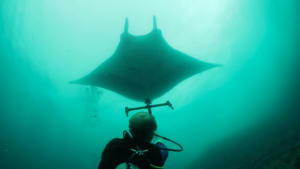
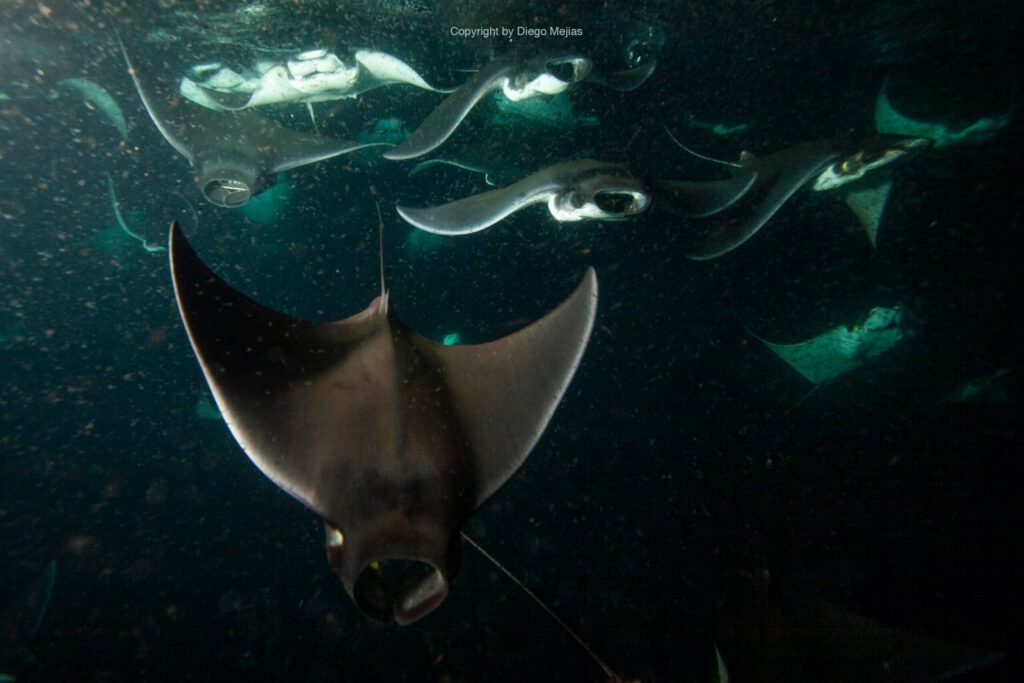
| Socorro Island | Giant manta rays and pelagic encounters | Cleaning stations where manta rays frequently appear |
| Raja Ampat | Extremely rich biodiversity and dense reef fish populations | High reef fish activity and diverse marine species |
While each destination has its own scale and ecosystem, Guanacaste offers a similar style of Pacific diving in a much more accessible setting.
Ideal Conditions for Learning to Dive
Guanacaste is also an excellent place for travelers who want to try scuba diving for the first time.
Warm water temperatures, short boat rides to dive sites, and professional dive operators make the learning process comfortable and safe. Many people who experience their first dive here discover a completely new perspective on the ocean.
Taking your first breath underwater while surrounded by tropical marine life is an unforgettable experience.
Easy to Include in a Costa Rica Vacation
Another advantage of diving in Guanacaste is how easily it fits into a broader Costa Rica travel itinerary.
The region is accessible from Liberia, home to the international airport serving northern Costa Rica. From there, travelers can quickly reach beach towns, national parks, and adventure activities across the region.
This means visitors can combine scuba diving with surfing, sailing trips, wildlife tours, or relaxing on some of the most beautiful beaches in the country.
Discover the Ocean with Connect Ocean
At Connect Ocean Diving Costa Rica, every dive trip is designed to help visitors experience the beauty of the Pacific Ocean in a safe and responsible way.
Whether you are a certified diver looking to explore the famous reefs of Guanacaste or a beginner curious about the underwater world, diving here offers the chance to connect with one of Costa Rica’s most fascinating ecosystems.