Costa Rica is known around the world for its biodiversity on land, but beneath the surface the country offers some of the most exciting marine encounters in the Eastern Pacific.
From giant manta rays gliding effortlessly through the blue to schools of tropical fish moving through volcanic rock formations, scuba diving in the Pacific waters of Guanacaste can be extraordinary throughout the year.
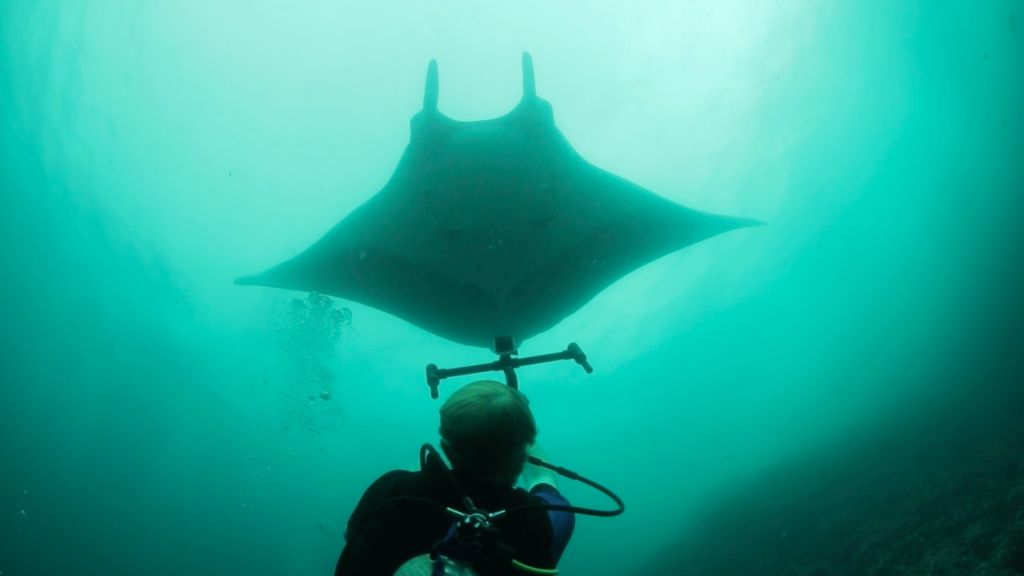
Recently the ocean has been particularly active. As of mid March 2026, divers exploring the northern Pacific coast have been experiencing an exceptional number of encounters with manta rays. Several dive trips have also reported the rare appearance of whale sharks near Gulf of Papagayo, one of the most exciting sightings possible in the region.
Encounters with animals like these are never guaranteed, they are wild and free, but moments like this remind divers why Costa Rica remains one of the most thrilling places in the Pacific to explore underwater.
Still, many travelers planning their trip ask the same question.
When is the best time to go scuba diving in Costa Rica?
The answer depends on what you want to see and the type of diving experience you are looking for.
Dry Season Diving, December to April
The Pacific coast of Costa Rica experiences its dry season between December and April, a period when sunny weather and calmer seas make diving conditions especially comfortable.
For many visitors, this is the easiest and most predictable time to dive.
During these months you can often expect clear skies, calm boat rides, and good underwater visibility. Water temperatures usually range between 26 and 28°C, or 78 to 82°F.
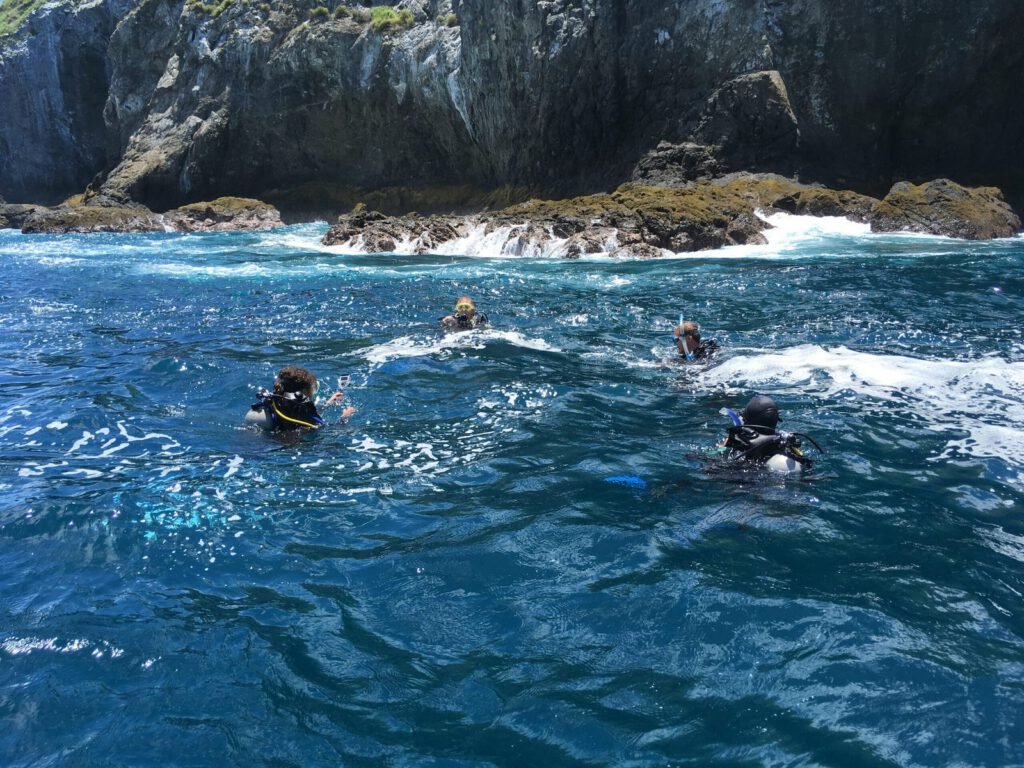
The volcanic dive sites around the famous Catalina Islands are particularly enjoyable during this season. These offshore pinnacles attract a wide range of marine life thanks to ocean currents that bring nutrients and passing pelagic species.
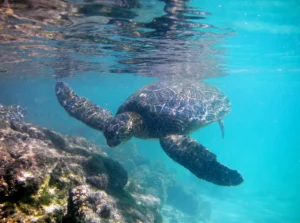
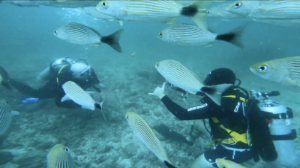
Divers frequently encounter white tip reef sharks resting on the bottom, eagle rays cruising through the blue water, sea turtles moving slowly across the reef, and large schools of jacks and snappers swirling around the rocky formations.
This is also one of the best times of the year for manta ray encounters.
Green Season Diving, May to November
From May to November the Pacific coast enters the green season, when tropical rains return to the region and ocean conditions shift slightly.
While visibility can sometimes be lower than in the dry season, the ocean becomes extremely rich in nutrients, which can attract even more marine life.
Many experienced divers actually love this time of year because the reefs feel alive with activity.
During these months divers often see large schools of fish moving across the reef, reef sharks resting along volcanic ledges, octopus hiding in rocky crevices, and colorful nudibranchs and macro species scattered across the reef.
The dive sites around Catalina Islands and nearby offshore formations often become vibrant underwater ecosystems during this season, thanks to nutrient rich currents that pass along Costa Rica’s Pacific coast.
Even when visibility is slightly lower, the biodiversity can make every dive feel dynamic and unpredictable.
Water Temperature and Diving Conditions
Costa Rica’s Pacific waters remain relatively warm throughout the year, making it comfortable to dive in every season.
Typical conditions include:
| Season | Water Temperature | Visibility |
| December to April | 26 to 28°C, 78 to 82°F | 15 to 30 meters |
| May to November | 24 to 27°C, 75 to 80°F | 10 to 25 meters |
Most divers feel comfortable wearing a 3 mm wetsuit, although some prefer a 5 mm suit during cooler months when deeper currents move through the region.
Why Divers Love Guanacaste
The northern Pacific coast offers a unique style of diving that combines volcanic underwater landscapes with pelagic marine life.